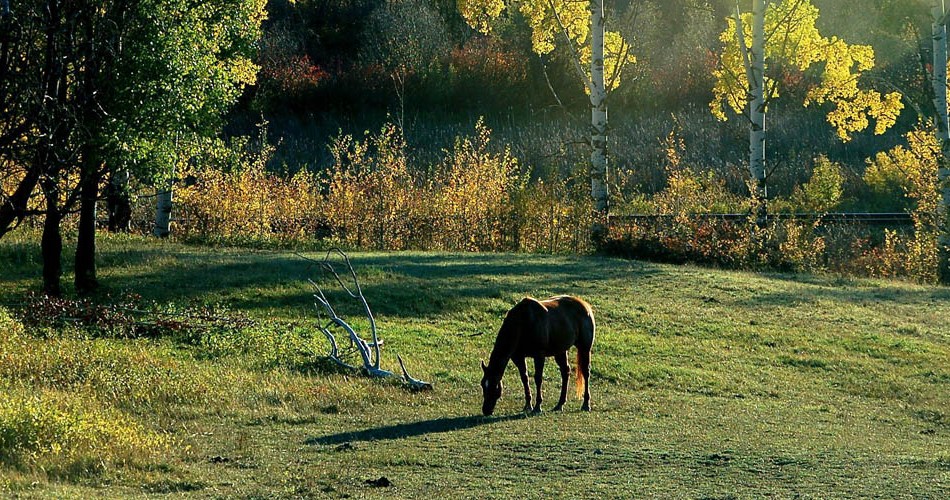
Why would we waste an animal raw material when we can use it responsibly? Horse meat can have a place within a circular food chain, because it can help ensure that as much of an animal as possible is put to use. That fits within the broader principle of the circular bio-economy: extracting more value from existing biomass and letting less material end up as waste.
The important distinction from traditional livestock farming is that horses are not necessarily kept specifically for meat production. When a horse, at the end of that stage of life, is suitable for human consumption under the right conditions and in line with the rules, it can still be used as food. Using that horse as food means that an additional meat animal does not have to be produced for the same amount of meat.
Circularity does not stop at the steak or the mince. In addition to edible parts, a slaughtered animal can also yield, for example, hide, bone, fat and other by-products. The EU regards such animal by-products as raw materials that, when they can be safely processed, should be used as fully as possible. The environmental benefit of a circular approach to horse meat lies mainly in making better use of an animal that was already kept for another purpose, and in returning residual streams to the food and raw-material cycle.
Circularity therefore means: wasting as little as possible and extracting as much value as possible from what is already available. Of course, animal welfare, food safety and responsible sourcing remain important conditions.